With offsite construction, building components, modules, or systems are designed and fabricated in a factory environment before being transported and assembled at their final location. Across Europe, many projects already show what offsite can deliver, yet regulatory barriers, fragmented demand, and skills gaps continue to limit wider uptake.
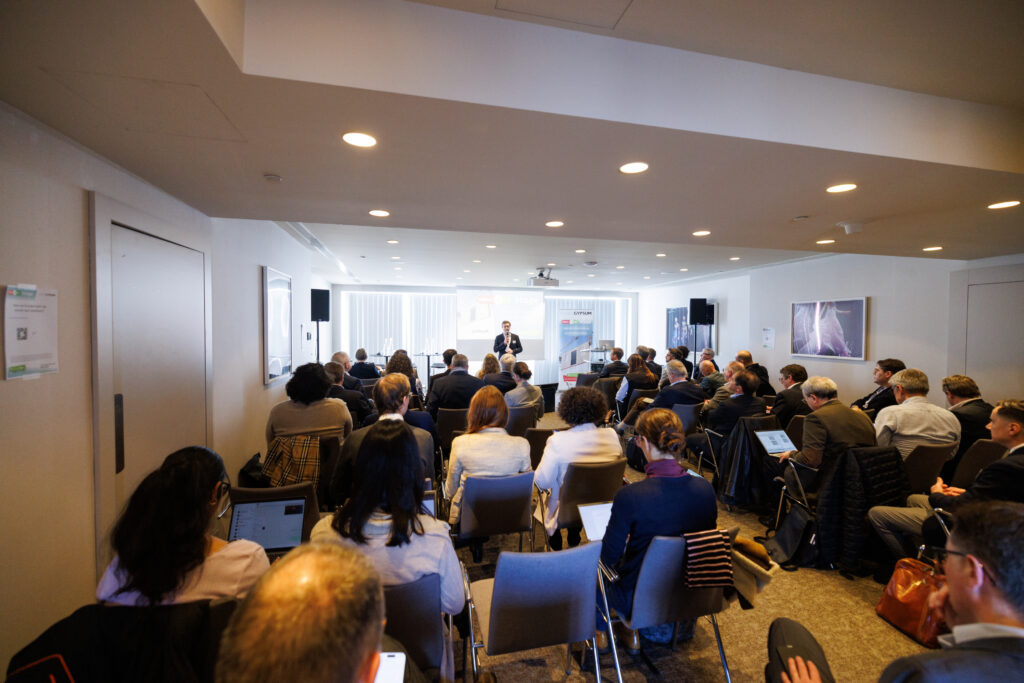
With offsite construction being increasingly recognised as a driver of productivity, resource efficiency, and workforce attractiveness in Europe’s construction sector, the event focussed on upscaling existing best practices. Above 60 participants from European and national institutions, industry and other stakeholders discussed advantages and challenges for offsite construction, as well as national and European supportive policies to boost its uptake.
Key recommendations from the event to scale up offsite construction were as follows:
- Incentivise fast delivery: Incentives should be introduced for the rapid completion of construction projects, to boost demand for offsite solutions, helping to address housing and infrastructure needs more efficiently.
- Support European competitiveness: To strengthen domestic offsite manufacturing and innovation, a level-playing field is indispensable. To allow European players to compete with imports, promptly addressing unfair trade practices is key.
- Encourage enabling policies at national level: Member States should develop policies inspired by front-runners like Ireland, Spain, and Italy, using funding and regulatory simplification tools to foster growth in the offsite construction market.
- Enhance stakeholder collaboration: The EU should promote cooperation among architects, local communities, suppliers, and contractors to align technical, social, and design goals.
- Leverage standardisation to support demand and ensure quality: EU and national institutions should learn from existing best practices in developing clear standards which guarantee consistency, performance, safety, sustainability and trust in offsite construction, driving broader market adoption.
Welcome address
Turning the potential into action
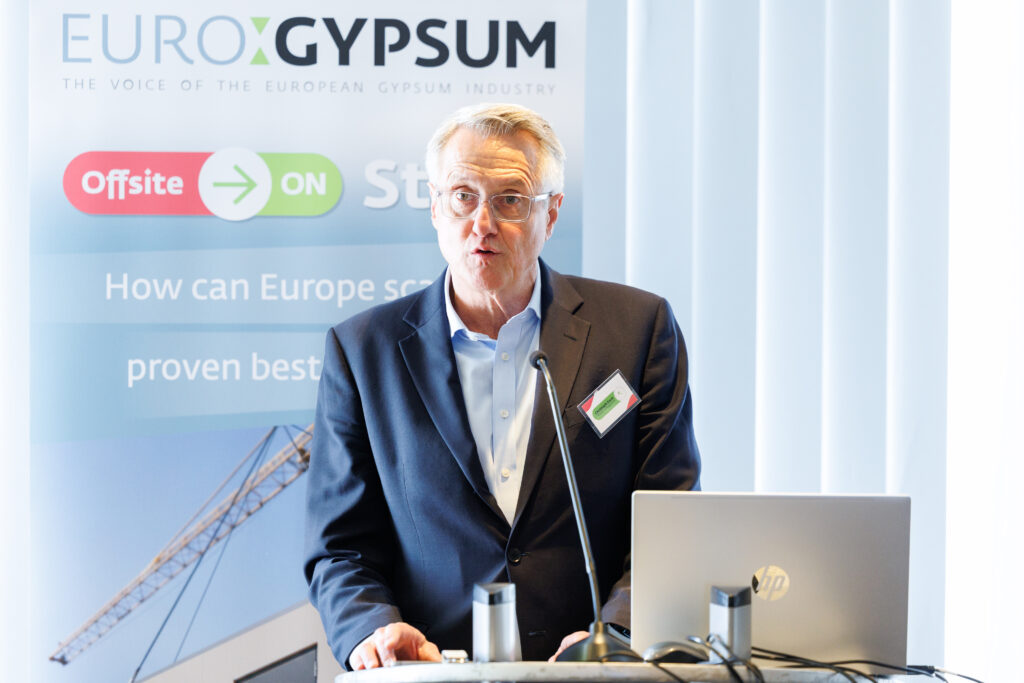
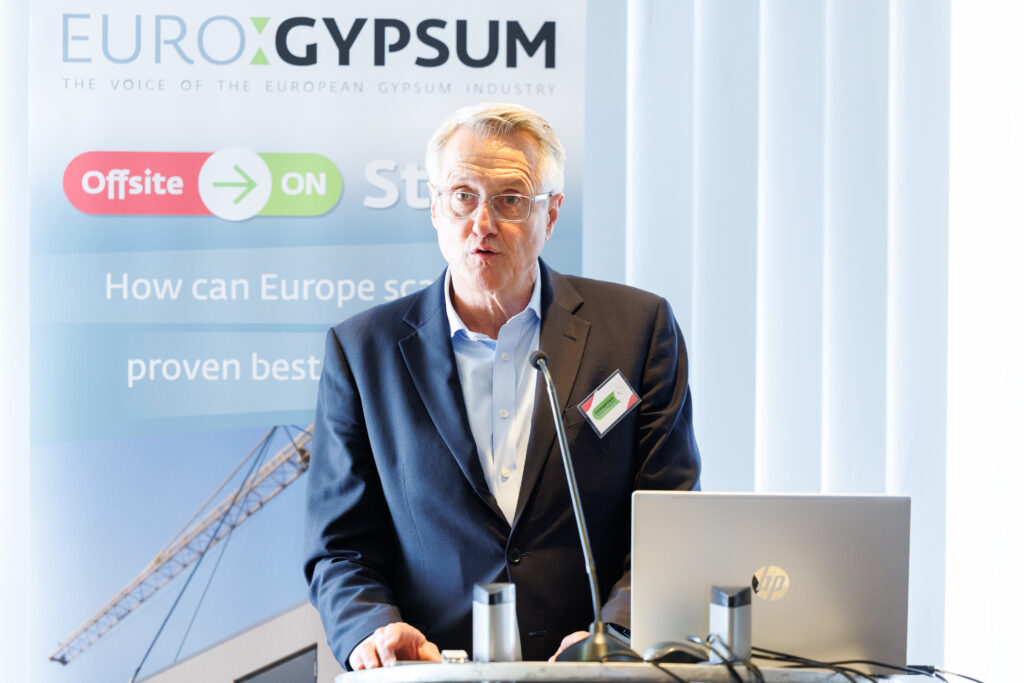
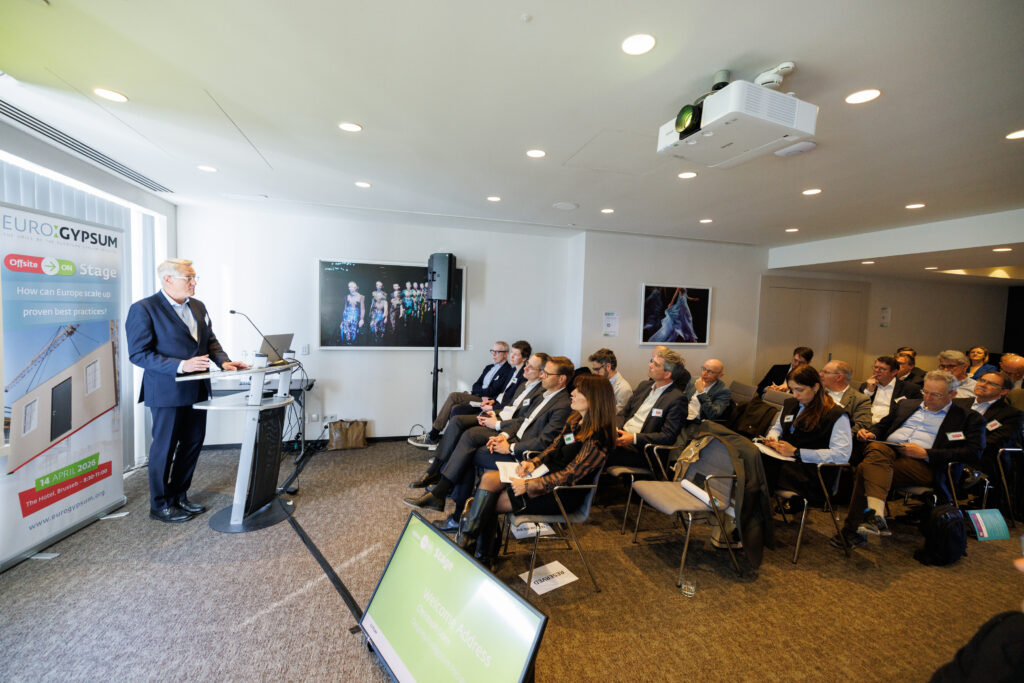
In his welcome address, Christoph Dorn, Eurogypsum’s former president, introduced housing and construction as a top EU priority, with recent initiatives like the Affordable Housing Plan and Strategy for Housing Construction in the spotlight. He stressed the potential for offsite construction to speed up delivery, boost productivity, and address labour shortages. Lightweight construction systems with plasterboard are a key component of offsite solutions, offering energy efficiency and adaptability. Despite the many advantages of offsite construction, market fragmentation and regulatory hurdles remain key barriers to a proper uptake of these methods. Mr Dorn welcomed the event as a good opportunity to bring together policymakers and industry leaders to turn this potential into action, ensuring EU measures deliver real impact and strengthen the sector.
Offsite Construction in the EU Strategy for Housing Construction
The housing crisis is a challenge but also an opportunity
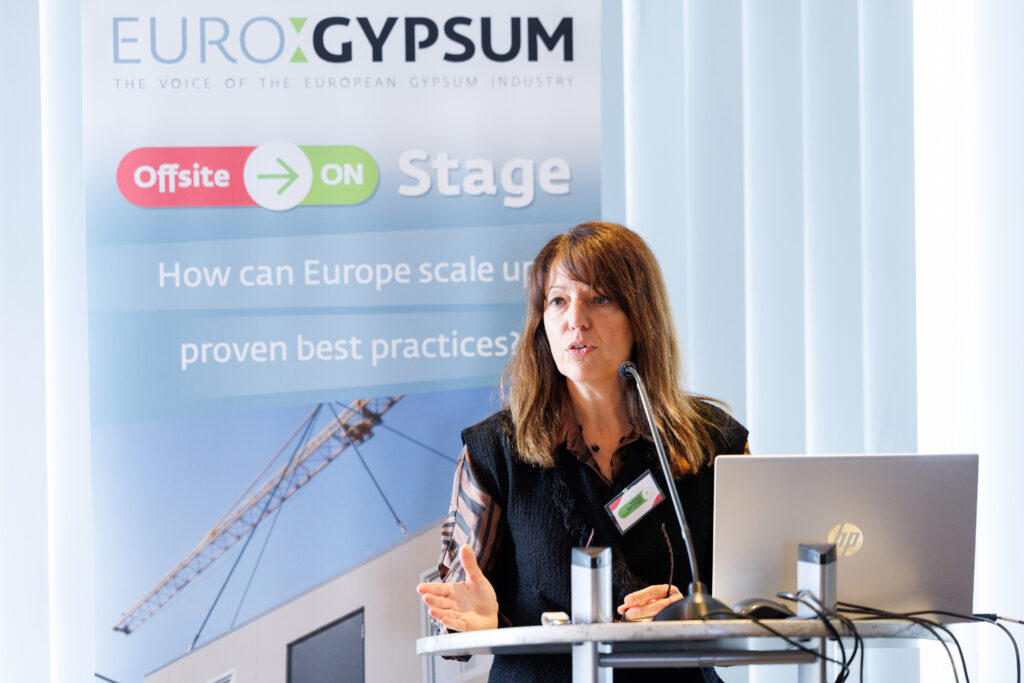
The keynote speaker, Barbara Bonvissuto, Director for “Construction, Machinery and Market Surveillance” at the European Commission’s DG GROW, highlighted the urgent need to increase the productivity of the construction sector. According to her, what is currently lacking are not policy strategies but effective implementation. Ms Bonvissuto recognised the transformative role of offsite construction and its many economic, environmental, and social benefits.
Drawing from the announcements in the European Strategy for Housing Construction, the Commission’s main objective for offsite construction is to enable the move from pilot projects to wide scale deployment. Going forward, the Commission aims to focus on the identified key areas: harmonisation of standards, acceleration and digitalisation of permitting, stimulation of investment, leveraging public procurement criteria. A key next step in the process will be the launch of the Competitiveness Coordination Tool for offsite construction. Dedicated discussions on this topic will take place during the upcoming High Level Construction Forum on 30 April 2026.
In her conclusions, Ms Bonvissuto reflected on the housing crisis in the EU as a great challenge, but also an opportunity for a transformation of the European construction industry and a shift to a more productive, innovative, and sustainable system.
Offsite in Action: The Potential of Offsite Construction and Persisting Barriers
Replicable projects, but uncertain demand
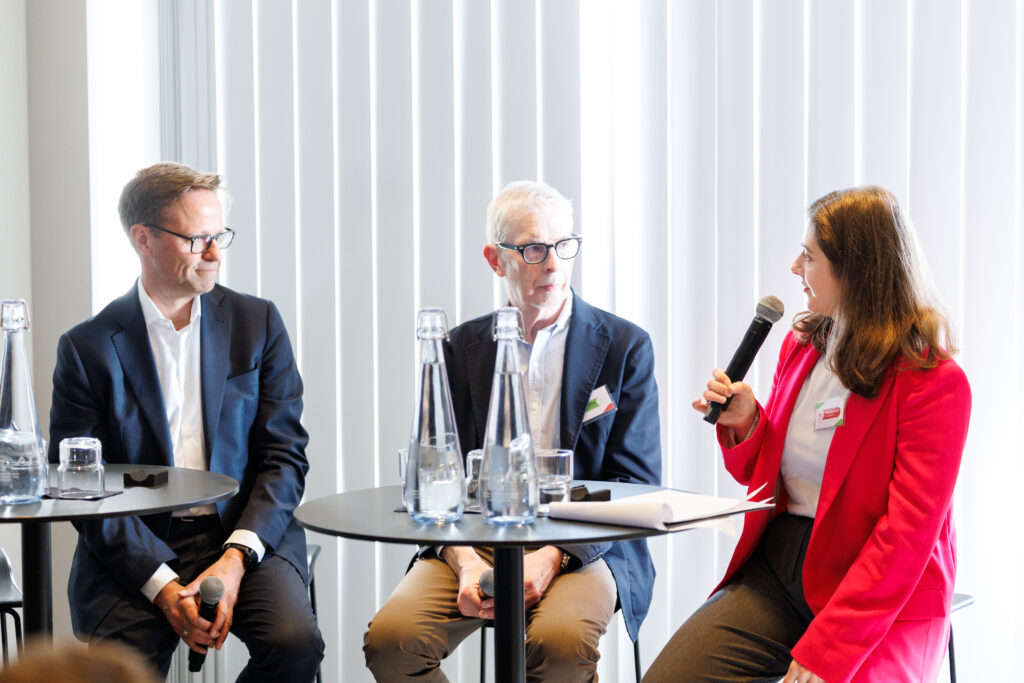
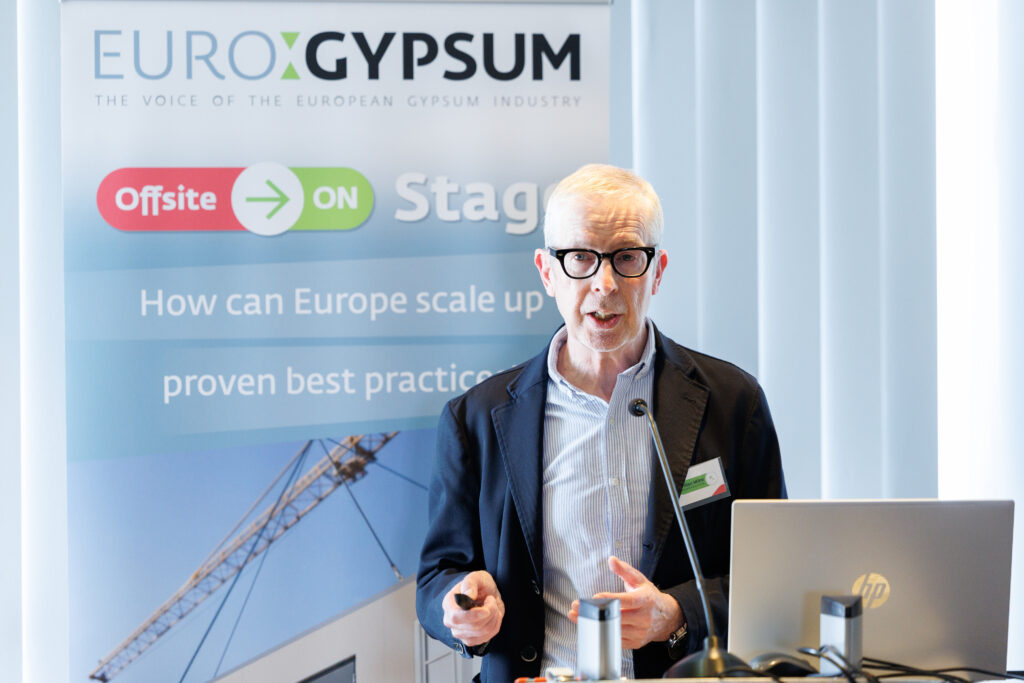
To make the advantages and challenges of offsite construction in Europe more tangible, the next session featured two case studies. Jochen Friedrichs, Head of Division Building Performance from Etex presented a student accommodation project in Olbia, Italy, where fast delivery was the key driver for choosing offsite methods. Alan Milne, European Business Development Director of the Modular Building Institute showcased a 39-bed interim accommodation project in London, UK, highlighting benefits such as reduced site disruption during the construction process and space efficiency.
During the following fireside chat, Alicja Szambelan, Senior Public Affairs Officer at Eurogypsum, interviewed Jochen Friedrichs and Alan Milne, about the potential of upscaling offsite construction across Europe through national strategies and supportive policy frameworks, such as in Spain and Italy. Mr Milne stressed that projects like the ones presented are highly replicable throughout Europe. Mr Friedrichs emphasised that logistical costs and demand uncertainty remain significant barriers for the further uptake of offsite construction projects.
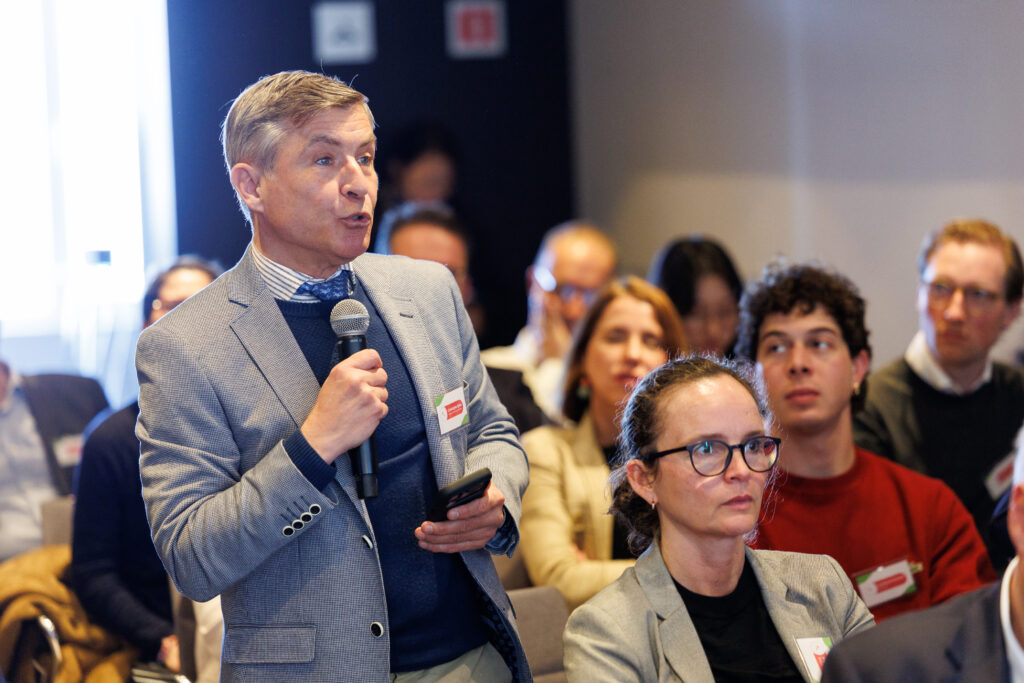
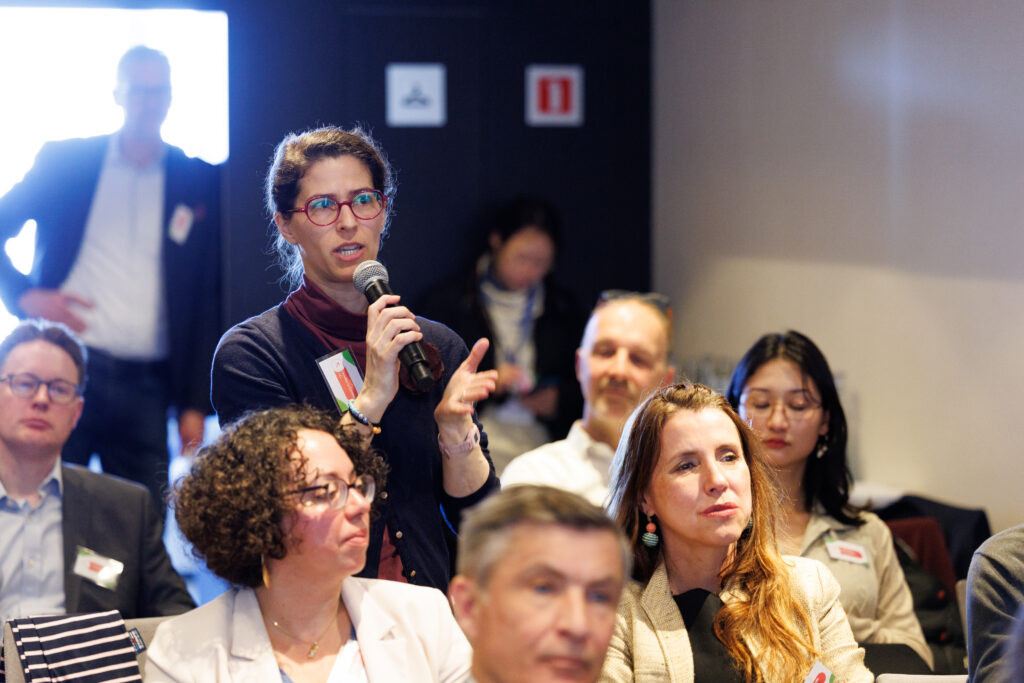
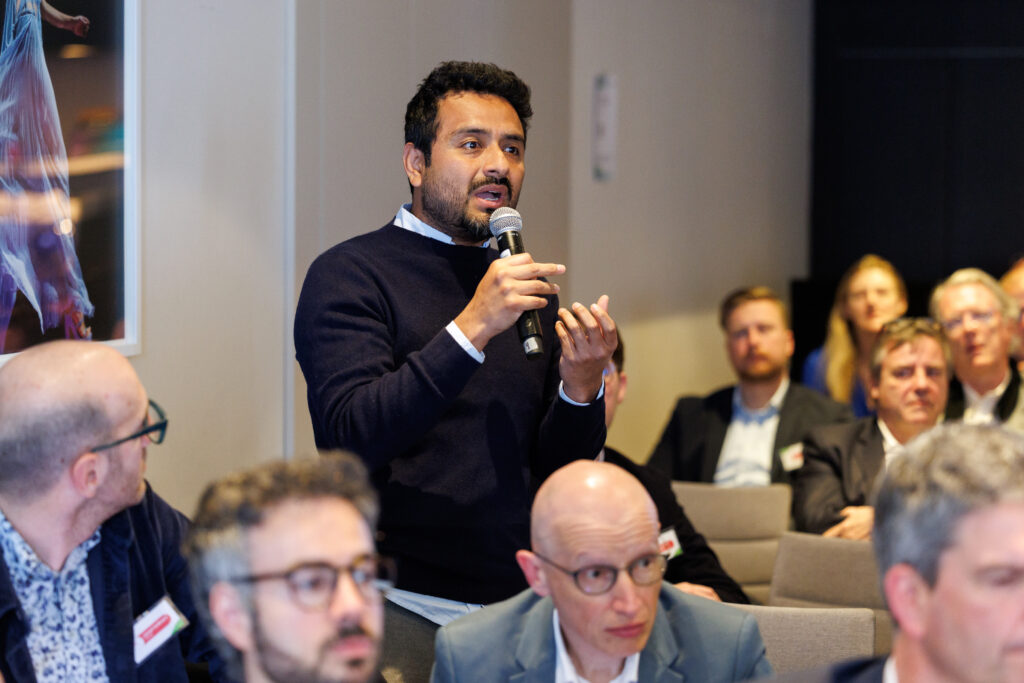
Questions from the audience focused on European competitiveness in the face of cheaper imports, with participants suggesting that, beyond high safety and quality standards, the objective should be for the industry to expand local offsite manufacturing facilities and cut logistics costs in Europe. Both speakers also stressed the importance of engaging with local communities to demonstrate the added value of offsite construction and its compatibility with traditional architecture, and to foster broader acceptance.
MMC Strategic Policy for Housing in Ireland
Public action can encourage upscaling
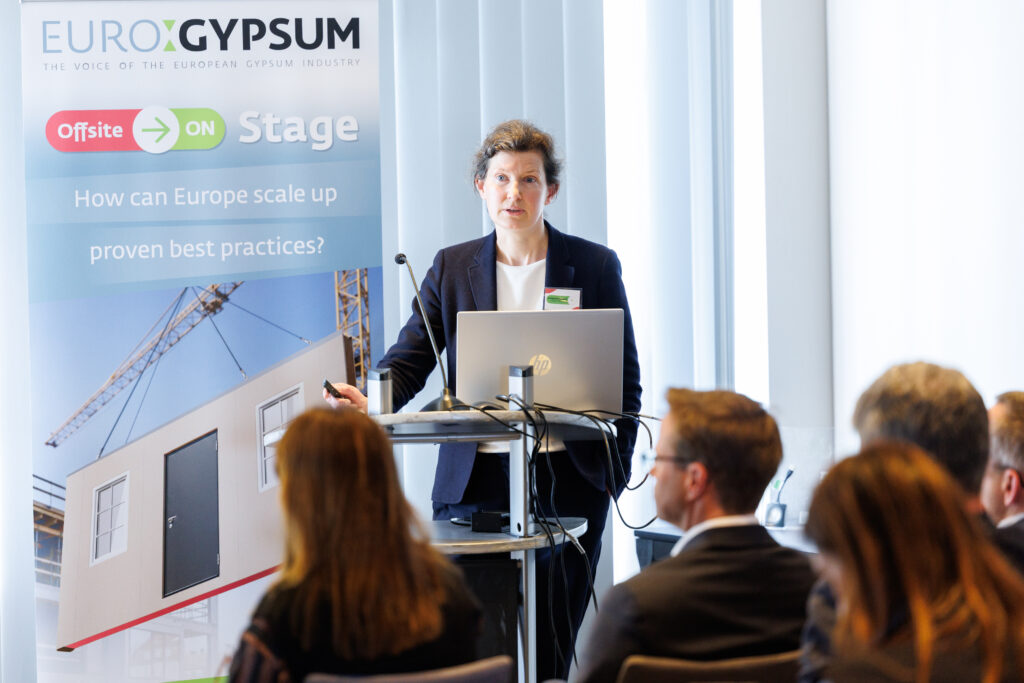
Offsite construction can be successfully promoted through national policy frameworks. Éadaoin Ní Fhearghail, Architectural Adviser for the Irish Department of Housing, Local Government and Heritage, illustrated this using the example of Ireland, a frontrunner in promoting modern methods of construction. She presented an overview of the many national strategies aimed at supporting the upscaling of offsite construction. Planning guidance and implementation documents can help to raise awareness of offsite construction among the general public and within the traditional construction sector. Lower risks, time savings and continuous quality control are just some of the many advantages that Ms Ní Fhearghail highlighted in her presentation. According to her, the key factor is not only the cost savings but, above all, the cost certainty that offsite construction offers. A focus area for Ireland’s policies is the development of skills for offsite technology at all levels. Furthermore, Ireland has developed national standards for design and layout, which have enabled the sector to grow. The Irish government is also promoting research projects on standards.
How Can EU Policy Accelerate Offsite Construction Uptake?
Stimulating demand while building local capacities
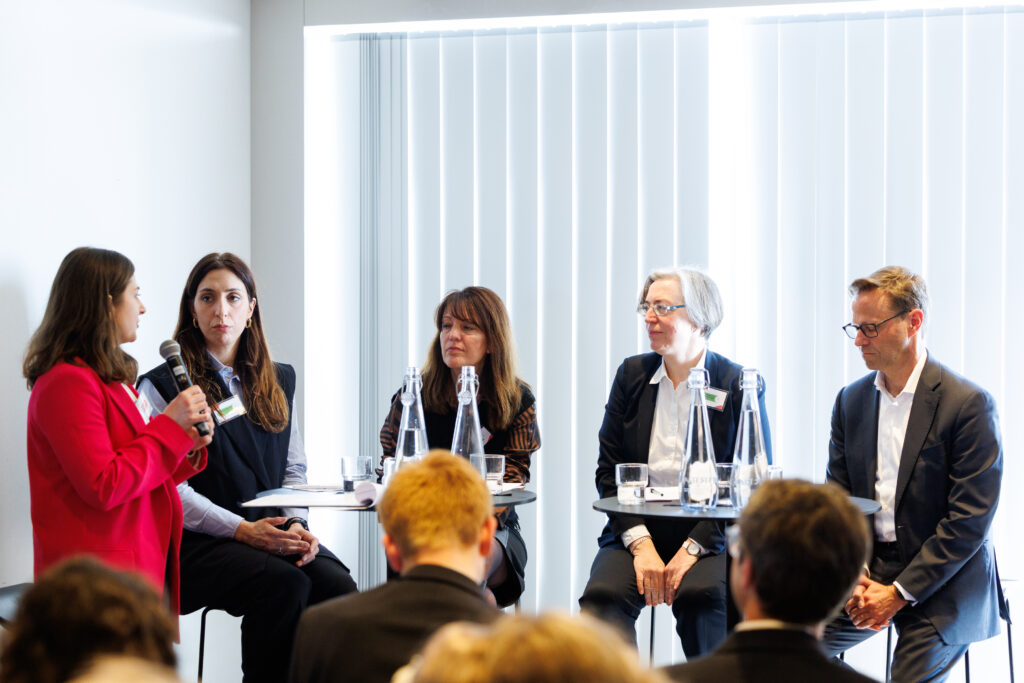
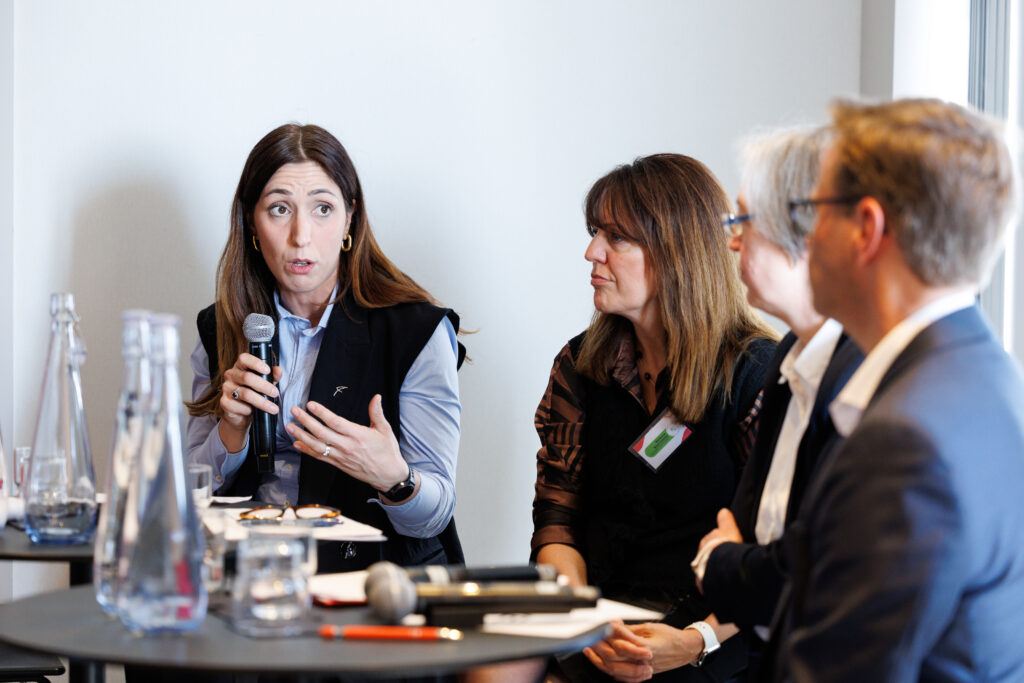
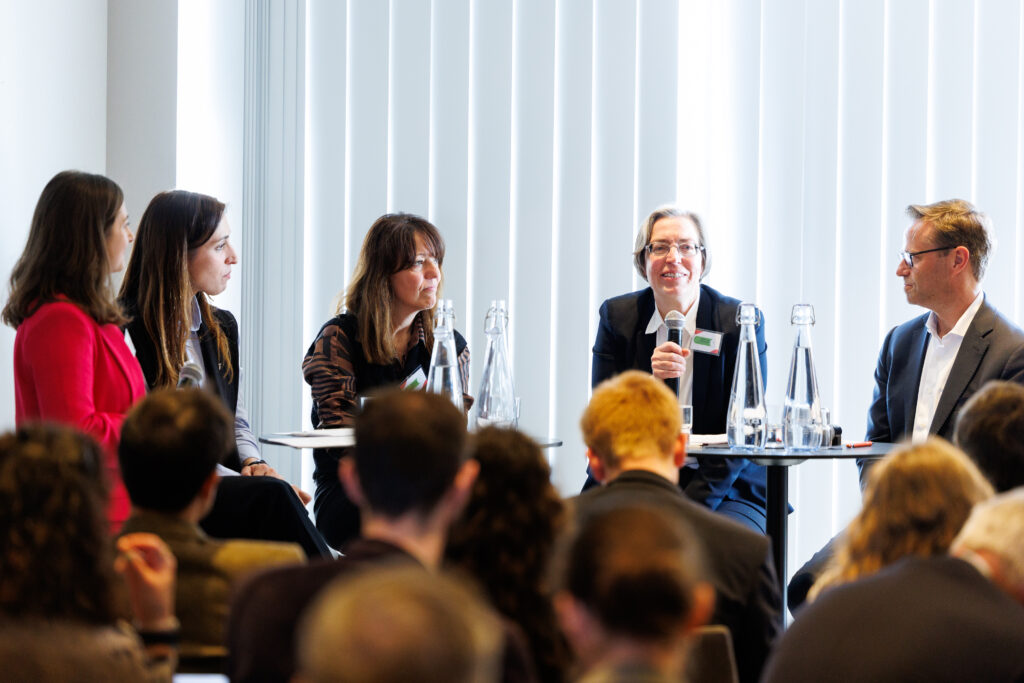
The panel discussion brought together diverse perspectives, exploring how EU policy can best support offsite construction. Barbara Bonvissuto (European Commission) highlighted the need for coordination among stakeholders and a stable pipeline of projects to strengthen the offsite market, suggesting that EU support could focus on sharing best practices, simplification, and standardisation. Jochen Friedrichs (Etex) emphasised that, while standardisation is important, it is often a very lengthy process, while the need for demand creation and market growth exists now. Offsite solutions are also closely linked to other broader EU policy goals. Marina D’Antimo (Metals for Buildings) provided a compelling explanation of the connection between prefabrication, sustainability and circularity. These links must also be taken into account in future European policy initiatives. Katharina Erdmenger (Architects’ Council of Europe) stressed the importance of early collaboration among all project stakeholders, to maintain design quality and ensure architects’ creative input is integrated into the construction process.
The audience showed particular interest in enhancing the competitiveness of Europe’s construction industry and protecting it from unfair competition, to allow for a scaled deployment of Europe’s offsite capacities. The discussion also underscored the European Commission’s view of offsite construction as a future-oriented technology and a key tool for addressing the housing crisis. Industry players called on the Commission to remove regulatory bottlenecks and create a framework that stimulates demand for the rapid delivery of housing solutions, while allowing the sector itself to determine and implement the most effective approaches.
Closing Remarks
Ensuring quality and safety
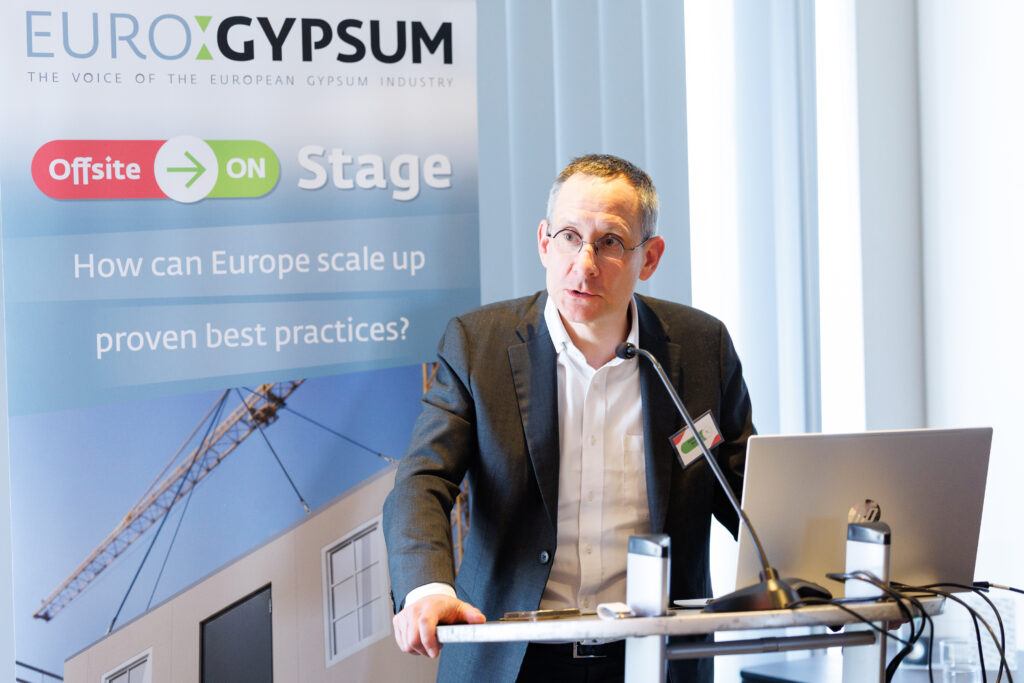
Eurogypsum’s newly elected president, Emmanuel Normant, presented key takeaways from the event, acknowledging the great potential for offsite construction to contribute to Europe’s housing supply challenges and the competitiveness of the construction sector. Simultaneously, the quality, safety and comfort of buildings should be guaranteed. Mr Normant saw the need to drive demand through adequate public policies, in order to scale up domestic capacities for industrialised construction. When designing incentives and standards, EU and national institutions should pay particular attention to the risk of unfair competition from non-EU players.
Thanking speakers and participants, Eurogypsum’s Secretary General Tristan Suffys pointed to the disruptive nature of modular and offsite construction, similarly to seriality in the pop art movement in the 1960s. It should not replace traditional forms of construction but deserves to have an important place alongside them.
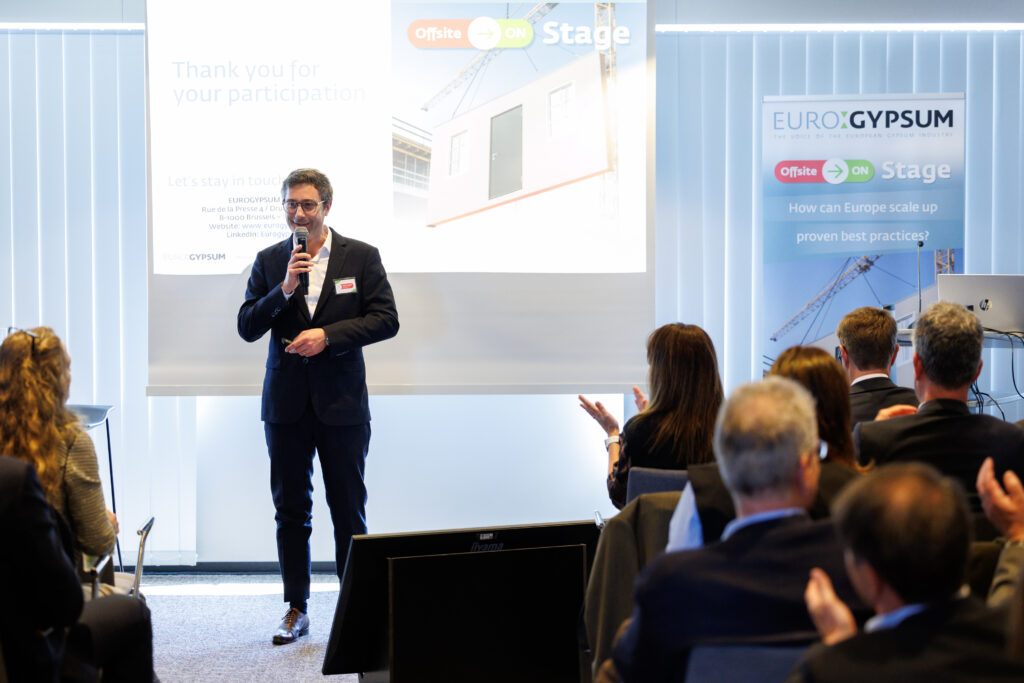
Photo credits: InFocus.Brussels (c) Eurogypsum, 2026
Click here to have a look at the whole photo gallery.
Password: Scale2026
Please quote the photo credits above if you use any pictures in external publications.
Materials for download
.jpg)