
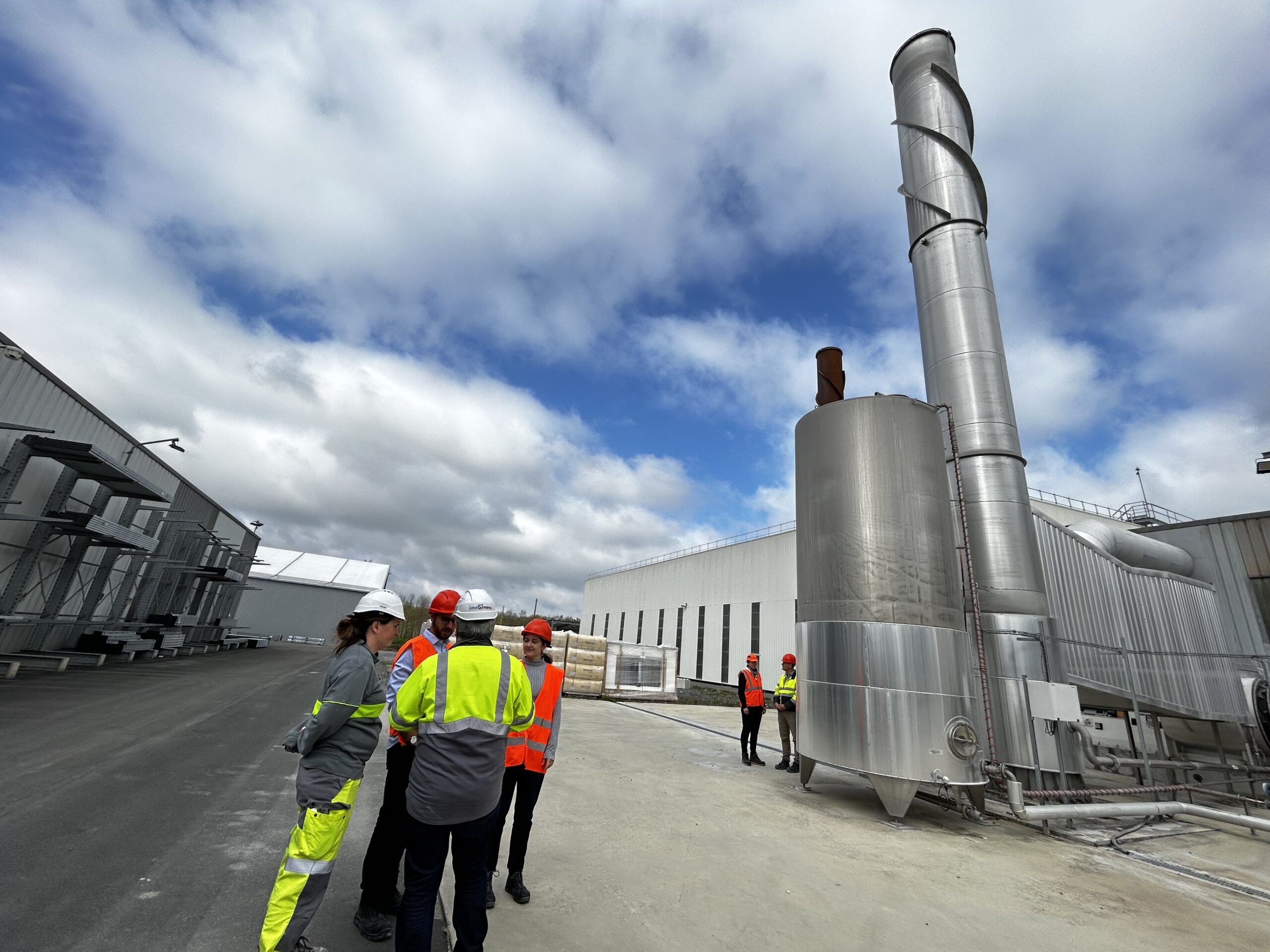
The European gypsum industry is a solution-oriented industry “made in Europe” by nature: Gypsum is a mineral supplied domestically and used primarily in construction. Besides traditional plaster products widely used to protect wooden structures from fire, today’s main gypsum products are modern plasterboard-based dry construction solutions. Fit for a wide range of applications, these industrialised lightweight construction solutions combine outstanding fire resistance properties with acoustic comfort, temperature and moisture equilibration. They are therefore materials of choice for the renovation, the repurposing of existing buildings and in new constructions.
Gypsum-based lightweight solutions for buildings have a lower carbon footprint than many traditional construction materials. The European gypsum industry has also embarked into further decarbonisation of production.
However, the gypsum industry is an increasingly exposed sector which is investing in decarbonisation and circularity. Due to our industry’s relatively low carbon footprint and a traditionally strong domestic basis in Europe, the gypsum sector is not included among the most protected sectors in the EU Emissions Trading System (ETS).
In our industry’s case, the absence of protection mechanisms now represents a serious threat for the future. This is all the more acute since European players are engaged in decarbonisation pathways, which require costly investments with a long return on investment.
In this context, the following policies are indispensable to allow the European gypsum sector to compete fairly and contribute fully to the EU’s housing and decarbonisation agendas:
Eurogypsum encourages European institutions to adopt an ambitious industrial policy which duly protects the competitiveness of Europe’s industries while allowing them to carry out the necessary transition and contribute to policy and societal objectives.

Read the whole Gypsum Call for Competitiveness below.